
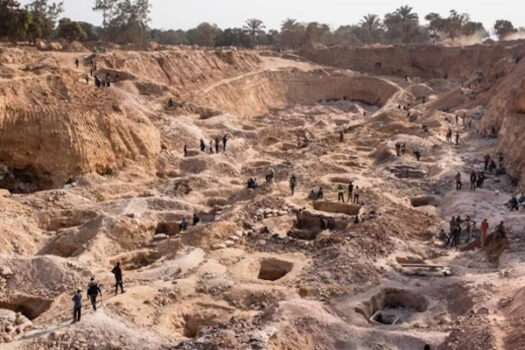
 The Democratic Republic of Congo has extended its ban on the trade of minerals from 38 artisanal mining sites in the conflict-affected North and South Kivu provinces, citing ongoing evidence that proceeds from the mines continue to finance armed groups.
The Ministry of Mines announced that the six-month extension aims to curb the flow of illicit revenue to militias operating in the region. Authorities say the decision is also intended to increase compliance pressure on global supply chains for tin, tantalum, and tungsten—key minerals used in electronics, automotive manufacturing, and aerospace technology.
The restrictions, first imposed in February, have now been prolonged as international buyers face growing scrutiny to ensure that minerals sourced from eastern Congo are not linked to conflict financing.
North and South Kivu remain hotspots of instability, with several militia groups—most notably the M23 rebels—maintaining control over strategic territories and disrupting formal mining activities.
Government officials say the extended ban is part of broader efforts to strengthen traceability systems and reduce the influence of armed groups that benefit from illegal mineral trade in the region.
Trump Calls Case Against Maduro “Infallible” Ahead Of U.S. Court Appearance
South Africa Raids U.S. Refugee Processing Centre, Arrests Seven Kenyans
Time Magazine Names AI Visionaries ‘Person of the Year’
Machado Vows Return To Venezuela After Nobel Peace Prize Win