
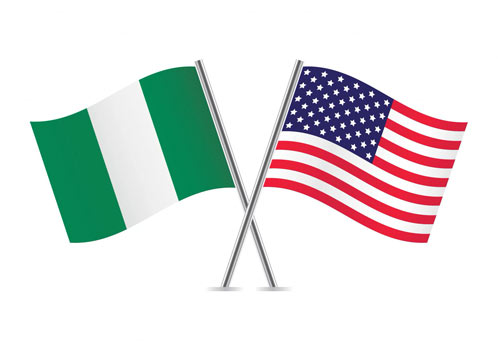
 The United States government has added Nigeria to a list of countries facing expanded travel restrictions, citing concerns over national security, visa screening, and vetting processes.
The move was announced in a presidential proclamation issued on December 16, 2025, by President Donald Trump, which broadened entry limitations for foreign nationals as part of wider efforts to strengthen U.S. border security.
Under the new measures, Nigerian citizens are subject to partial restrictions affecting both immigrant and non-immigrant visas. The affected categories include tourist visas (B-1/B-2), student visas (F and M), and exchange visas (J).
A White House fact sheet accompanying the proclamation said Nigeria was added due to “persistent deficiencies in screening, vetting, and information-sharing,” which U.S. authorities say pose security challenges. It also cited visa overstay rates among Nigerian travellers that exceed U.S. benchmarks as a contributing factor.
Nigeria is among 15 additional countries placed under partial entry limitations. Others listed include Angola, Senegal, Tanzania, and Zimbabwe. The proclamation also maintains full travel restrictions on several previously designated high-risk countries and extends full bans to others.
According to the U.S. administration, the expanded restrictions are intended to safeguard national security while encouraging stronger cooperation with affected countries on immigration screening, vetting, and data-sharing.
The policy includes exemptions for lawful permanent residents, certain existing visa holders, diplomats, and individuals whose travel is deemed to be in the U.S. national interest. Case-by-case waivers may also be granted.
Death Toll In Yobe Boat Mishap Rises To 29, Search Ongoing For Missing Passengers
Tinubu Orders Manhunt After Deadly Terror Attacks In Niger State
Manchester United Sack Ruben Amorim After Brief Tenure
Court Orders Remand Of Malami Over Alleged Money Laundering