
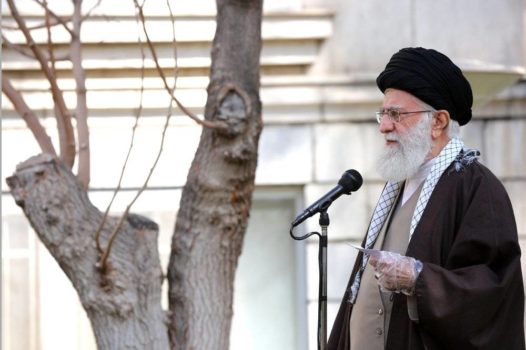
Iran’s Supreme Leader Ayatollah Ali Khamenei, who had led the Iran since 1989, has been killed, Iranian state media and international officials say, marking one of the most dramatic developments of the ongoing crisis following joint United States Armed Forces and Israel Defense Forces strikes on Iran.
State television confirmed Khamenei’s death early on Sunday, 1 March 2026, following heavy bombardment of military and strategic sites across Iran. The government declared a 40-day period of mourning and a seven-day public holiday in his honour.
According to Iranian outlets and statements from U.S. and Israeli officials, Khamenei was killed in a targeted missile and airstrike on his compound in Tehran on 28 February 2026. The attack was part of a broader offensive directed at Iran’s leadership, military infrastructure and nuclear-related facilities.
Leaders in United States and Israel publicly acknowledged that Khamenei was among those killed during the operation, describing it as a major blow to Iran’s governing structure.
The strikes that killed Khamenei also resulted in significant loss of life and injuries across Iran. Iranian authorities and medical sources reported that hundreds of people have been killed in air raids since the offensive began, with many others wounded. Among the reported dead were top Iranian security officials and members of Khamenei’s family, including his daughter, son-in-law and grandchild.
In one of the worst single events attributed to the attacks, a strike on a school in Minab killed dozens of children and other civilians, with officials warning that the toll could rise as rescue efforts continue.
Iran’s President Masoud Pezeshkian condemned the killing as a “great crime,” vowing that it would not go unanswered. The Islamic Revolutionary Guard Corps declared it would launch significant retaliatory operations, and Iranian forces have since carried out missile and drone strikes at targets in Israel and at U.S. military bases across the Gulf region.
Across Iran, mourners gathered in the streets of Tehran and other cities, both in grief and tension as the country braces for potential further escalation.
The death of Khamenei — one of the world’s longest-serving national leaders — has raised concerns about wider instability in the Middle East and beyond. Governments in neighbouring Iraq have declared periods of mourning, while world powers have called for restraint amid fears of broader conflict.
Iran’s leadership transition has not yet been resolved, with authorities saying interim authority will be exercised by top state bodies until a successor is chosen, even as tensions and military operations continue.
The full implications of Khamenei’s death — politically, militarily and socially — are still unfolding as the region remains on high alert.
US And Israel Strike Iran, Tehran Launches Retaliatory Attacks
IMF Releases $2.3bn To Egypt After Programme Reviews
South Africa Uncovers Over 4,000 ‘Ghost Workers’ In Payroll Audit
Chad Closes Border With Sudan After Deadly Clashes