
 The conflict involving United States, Israel, and Iran intensified on Tuesday as Israeli forces carried out fresh airstrikes on major targets in Tehran and Beirut, deepening fears of a prolonged and destabilising regional war.
The latest wave of attacks marks a new phase in the fighting, which has now spread across multiple fronts, drawing in regional allies and heightening civilian suffering.
Israeli warplanes launched coordinated strikes on military and security facilities in Tehran, targeting command centres, weapons depots, and air defence systems. Explosions were reported across several districts of the Iranian capital, forcing residents to seek shelter.
At the same time, Israeli forces intensified operations in Beirut, hitting positions linked to Hezbollah. The attacks caused widespread damage in parts of the city and prompted fresh evacuations in surrounding areas.
Authorities in Lebanon said civilian neighbourhoods were among those affected, raising concerns about the growing humanitarian toll.
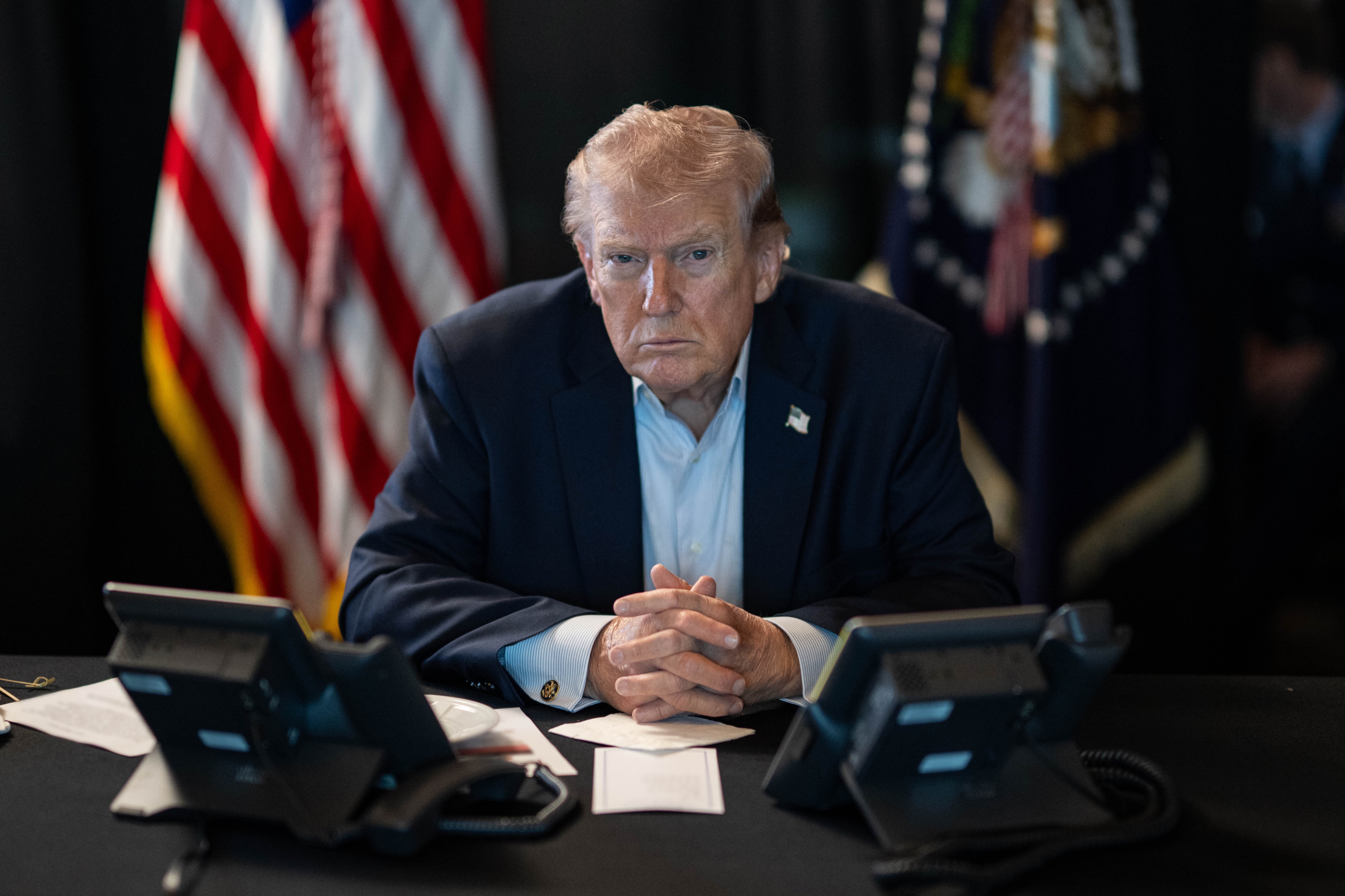
U.S. President Donald Trump said the military campaign could last up to four weeks or longer, depending on developments on the ground. He described the operation as necessary to weaken Iran’s military capabilities and prevent future threats to regional security.
Washington has continued to deploy additional military assets to the region, including aircraft and naval forces, in support of Israel and to protect U.S. interests.
Iran has responded with intensified missile and drone attacks on Israeli cities and U.S. military facilities in the Gulf region. Air defence systems have been activated in several countries as projectiles were intercepted.
Tehran warned that further strikes on its territory would be met with stronger retaliation, signalling that it is prepared for a prolonged confrontation.
Iranian officials also repeated threats to disrupt shipping routes in the Strait of Hormuz, raising fears of wider economic fallout.
The expanding conflict has taken a heavy toll on civilians in Iran, Israel, and Lebanon. Residential areas, transport networks, and public utilities have been damaged, forcing thousands of families to flee.
Hospitals in affected cities have reported rising numbers of casualties, while emergency services struggle to cope with the scale of destruction. Aid agencies warn that continued fighting could trigger a major humanitarian crisis.
The war has disrupted air travel, shipping, and energy supplies across the Middle East. Oil and gas prices have risen sharply amid concerns over supply interruptions, adding pressure to already fragile global markets.
Several countries have advised their citizens to avoid travel to the region, while international companies review operations in affected areas.
The United Nations and major world powers have urged all sides to exercise restraint and pursue diplomatic solutions. However, efforts to broker a ceasefire have so far failed, as both camps insist on continuing military operations.
With airstrikes and retaliatory attacks continuing across multiple fronts, analysts warn that the conflict is entering a dangerous and unpredictable phase. The combination of military escalation, leadership pressure, and regional involvement could prolong the war and deepen instability.
As fighting rages in Tehran, Beirut, and beyond, the Middle East remains on edge, with the international community watching closely for any sign of de-escalation.
War In Middle East Intensifies As US, Israel And Iran Clash
Iran’s Supreme Leader Ayatollah Ali Khamenei Killed In U.S.–Israel Strikes
US And Israel Strike Iran, Tehran Launches Retaliatory Attacks
IMF Releases $2.3bn To Egypt After Programme Reviews