
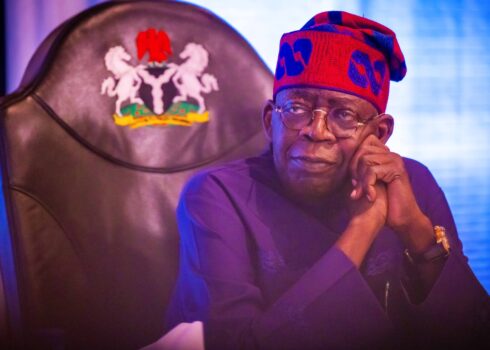
 President Bola Ahmed Tinubu on Thursday marked the second anniversary of his administration with a nationwide address, highlighting what he described as difficult but necessary economic reforms and promising a brighter future for Nigerians.
In a statement, Tinubu reflected on the challenges his administration inherited in 2023 and the steps taken to avert what he described as a looming fiscal crisis. Chief among the reforms were the removal of fuel subsidies and the unification of foreign exchange rates — policies the president defended as essential for stabilizing the economy and ensuring long-term viability of government spending.
“The only alternative to the reforms our administration initiated was a fiscal crisis that would have bred runaway inflation, external debt default, crippling fuel shortages, a plunging Naira, and an economy in a free-fall,” he said.
Despite admitting to increased hardships, particularly in the cost of living, Tinubu insisted the economic situation is improving. He cited a decline in inflation, stabilisation of the Naira, increased oil production, and a sharp reduction in Nigeria’s fiscal deficit — from 5.4% of GDP in 2023 to 3.0% in 2024. He also noted that Nigeria’s foreign reserves had grown from $4 billion in 2023 to over $23 billion by the end of 2024.
“We have stabilised our economy and are now better positioned for growth and prepared to withstand global shocks,” Tinubu stated.
The president also touted successes in tax reform, claiming the tax-to-GDP ratio had risen from 10% to 13.5% in just one year. He said the administration is working to simplify taxation, protect low-income households, and remove VAT from essentials like food, education, and healthcare. He also announced plans for a Tax Ombudsman to ensure fairness in tax administration.
Security and infrastructure development were also focal points of the address. Tinubu praised security forces for progress in combating banditry, particularly in the North-West, and highlighted improved road safety and agricultural activity in previously unsafe regions.
The president underscored his government’s commitment to human capital development, noting efforts to revamp primary healthcare, expand insurance coverage, provide free maternal care, and improve access to tertiary education through student loans. He also celebrated initiatives in youth empowerment, digital innovation, and industrialisation — pointing to projects like NASENI’s electric vehicle assembly and drone engineering programs.
In agriculture, Tinubu said his administration had invested in mechanised farming, fertilisers, and food price stabilization, while massive infrastructure projects like the Lagos-Calabar Coastal Highway and the Abuja-Kaduna-Zaria-Kano Road were advancing.
On energy, Tinubu pledged continued investment in both national grid upgrades and off-grid solar systems to power homes and industries.
Looking ahead, Tinubu said preparations were underway for the “Motherland Festival,” an international cultural event meant to showcase Nigeria’s diversity and economic potential. He also acknowledged the role of the Nigerian diaspora in the nation’s transformation.
Concluding his speech, the president acknowledged the economic pain many Nigerians are enduring but urged continued patience and unity. “The worst is behind us. The future is bright,” Tinubu declared.
Easter: Tinubu Calls For Unity, Assures Nigerians Of Progress Amid Challenges
Tinubu Appoints New PTDF Boss, Renews TCN MD Tenure
Tinubu Pledges AI Surveillance Boost, Orders Crackdown On Plateau Killers
CBN Confirms 33 Banks Meet Recapitalisation Target, Raise ₦4.65trn