
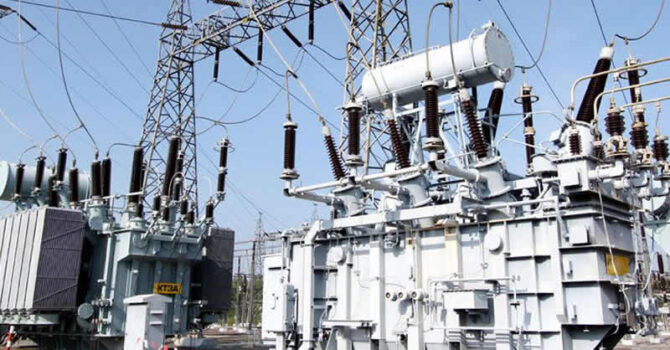
 The Nigerian Senate has passed the Electricity Act (Amendment) Bill, 2025 for second reading, signaling a major legislative effort to rescue the country’s struggling power sector from near-collapse.
The amendment bill, sponsored by Senator Enyinnaya Abaribe (Abia South), aims to overhaul the 2023 Electricity Act by closing key regulatory gaps and introducing stiffer penalties for vandalism, including proposals for capital punishment in extreme cases.
Leading the debate on Tuesday, Senator Abaribe, who also chairs the Senate Committee on Power, warned that the electricity industry is on the brink of collapse due to widespread inefficiencies, financial mismanagement, and regulatory shortcomings. He revealed that the Federal Government currently owes over ₦4 trillion in the sector.
“The existing law is inadequate—it imposes weak penalties, is poorly implemented, and lacks clarity on issues like funding mechanisms, workers’ rights in essential services, and the role of state governments following constitutional reforms,” Abaribe said.
He emphasized that electricity is an essential service and should not be subject to disruption by strikes or ambiguous laws, calling for the removal of legal ambiguities to ensure effective implementation.
The senator also condemned the refusal of some electricity distribution companies (DisCos) to pay for power supplied to them, describing it as a major threat to the sector’s stability.
Backing the amendment, Senator Adamu Aliero criticised continued federal spending on a privatised sector. He decried the growing threat of infrastructure vandalism and recommended harsh penalties, including capital punishment, for those sabotaging national assets.
“We’ve privatised the power sector, yet trillions of naira are still being spent to support it. Vandals are wrecking national infrastructure. If needed, they should face capital punishment,” Aliero said.
Key highlights of the amendment bill include:
- Criminalisation of electricity infrastructure vandalism
- Clarification of regulatory roles between the Nigerian Electricity Regulatory Commission (NERC) and state governments
- Strengthening of the Electricity Consumer Assistance Fund
- Enhanced penalties and improved institutional oversight
The bill has been referred to the Senate Committee on Power, which is expected to submit its report within six weeks.
Easter: Tinubu Calls For Unity, Assures Nigerians Of Progress Amid Challenges
Tinubu Appoints New PTDF Boss, Renews TCN MD Tenure
Tinubu Pledges AI Surveillance Boost, Orders Crackdown On Plateau Killers
CBN Confirms 33 Banks Meet Recapitalisation Target, Raise ₦4.65trn