
 The war involving the United States, Israel, and Iran has entered a more volatile phase, marked by intensified military strikes, retaliatory attacks, and rising global concern over a broader regional crisis.
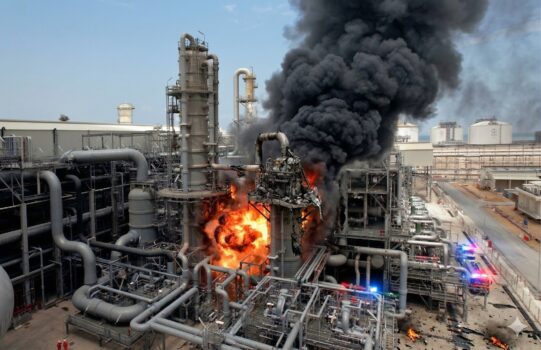
Tensions surged following coordinated strikes by the United States and Israel on key Iranian targets, prompting a wave of retaliation from Tehran. In recent developments, Israel reportedly targeted major Iranian energy infrastructure, including a significant gas facility, triggering counterattacks on strategic oil and gas installations across the Gulf.
Casualties have continued to rise, with hundreds reported killed in Iran, while Israeli operations targeting Iran-backed groups in neighbouring countries have also led to civilian losses and displacement.
The conflict has expanded beyond direct engagements between the three nations, with hostilities spilling into other parts of the Middle East. Armed groups aligned with Iran have intensified attacks, while Israel has stepped up operations against such factions.
Militarily, the United States and Israel maintain that their operations have significantly weakened Iran’s capabilities, particularly its missile and drone systems. However, Iran has continued to demonstrate its capacity to strike back, launching missiles and drones toward Israeli territory and threatening key regional assets.
The war is also sending shockwaves through global markets, especially in the energy sector. Concerns over disruptions to oil supply routes have driven up prices, with fears mounting over the security of critical shipping lanes.
Meanwhile, diplomatic pressure is building, with world leaders calling for restraint and an immediate ceasefire to prevent further escalation. Despite this, all sides appear to be holding firm, raising uncertainty about how long the conflict will persist.
With no clear resolution in sight, the crisis is increasingly seen as a major geopolitical flashpoint, with potential long-term consequences for global stability and economic security.
US, Iran Exchange Strikes As Strait Of Hormuz Tensions Escalate
Landslide Lake Overflows On Nepal-China Border, Threatening Flood-Hit Areas
Norway’s King Harald V Dies At 89 After 35 Years On Throne
Trump Shares Image Depicting Strait Of Hormuz As US Territory