
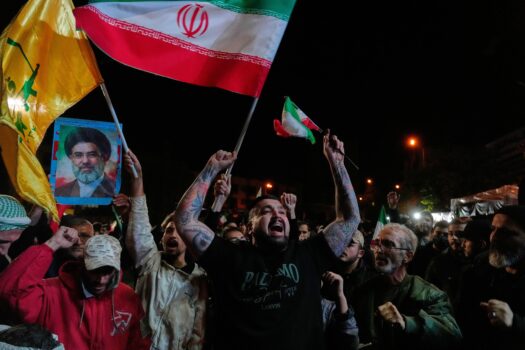
 The United States and Iran agreed to a two-week ceasefire on Tuesday, narrowly avoiding escalation just hours before U.S. President Donald J. Trump’s deadline, after which he had warned of catastrophic consequences.
The temporary truce follows six weeks of intensifying conflict that disrupted global oil supplies, particularly through the strategic Strait of Hormuz. Trump said the ceasefire is conditional on Iran reopening the waterway, which carries roughly one-fifth of the world’s oil.
Both nations framed the agreement as a victory. Trump described it as “total and complete victory,” while Iran’s leadership said the U.S. had effectively accepted its negotiation framework. The deal, mediated by Pakistan, is intended to create space for further talks, with possible in-person negotiations expected.
Iran signaled it would ensure safe passage through the strait during the ceasefire if attacks stop, while also warning it would respond forcefully to any violations. Meanwhile, Israel confirmed it would pause strikes on Iran, though confusion remains over whether Lebanon is covered by the truce.
Key issues remain unresolved, including nuclear restrictions, sanctions relief, regional security, and control of maritime access. Competing proposals from both sides are expected to form the basis of negotiations over the next two weeks.
While the ceasefire has temporarily eased fears of a wider conflict, it remains fragile. The outcome of upcoming negotiations will determine whether the pause leads to a lasting settlement or a return to conflict.
WHO Warns Ebola Outbreak Expanding Across DR Congo
Israel Strikes Iran As Ceasefire Comes Under Renewed Pressure
Powerful Earthquake Kills Dozens, Triggers Tsunami Alerts in Philippines
Zelensky Seeks Face-To-Face Meeting With Putin To End War