
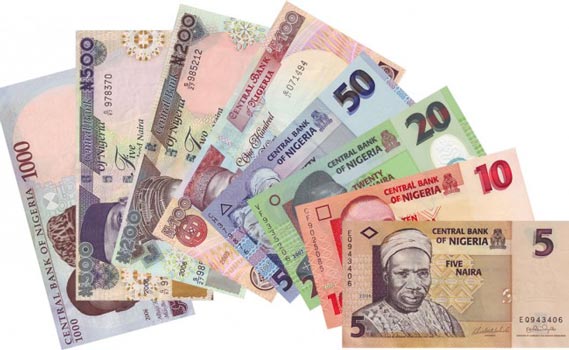
 The Central Bank of Nigeria (CBN) has unveiled a new set of cash-withdrawal limits, formally ending the special approval system that previously allowed individuals to withdraw up to ₦5 million and corporate organisations up to ₦10 million once a month.
The policy update was contained in a circular issued on Tuesday, December 2, and signed by the Director of Financial Policy and Regulation, Dr. Rita I. Sike. According to the apex bank, the revised framework is designed to reduce the cost of managing physical cash, enhance security, and tackle money-laundering risks in a cash-dependent economy.
Effective January 1, 2026, individuals will be limited to a maximum weekly withdrawal of ₦500,000 across all channels, while corporate bodies will be restricted to ₦5 million. Withdrawals exceeding these limits will attract excess charges of 3% for individuals and 5% for companies, with proceeds shared between the CBN and financial institutions.
ATM withdrawals have also been tightened, now capped at ₦100,000 per day and ₦500,000 weekly—both of which count toward the overall weekly threshold. The circular further noted that all denominations may now be loaded in ATMs, while the ₦100,000 limit on over-the-counter encashment of third-party cheques remains intact.
Banks are required to submit monthly reports on withdrawals above approved limits and must maintain separate accounts to hold charges generated from excess withdrawals.
Certain accounts will, however, not be affected. Revenue-generating accounts of federal, state, and local governments are exempt, as are microfinance and primary mortgage banks. Meanwhile, exemptions previously granted to embassies, diplomatic missions, and donor agencies have been withdrawn.
The CBN said the revised guidelines harmonise and streamline earlier cash-handling policies introduced over the years, adding that the changes were necessary to align with “present-day realities.”
Tinubu Marks 74th Birthday, Expresses Gratitude To Nigerians
NDLEA Intercepts Cocaine Hidden In Dry Fish, Seizes Drug Consignments Nationwide
Dangote Refinery Cuts Petrol Price Amid Market Volatility
8,534 Delegates, Governors Converge In Abuja For APC National Convention