
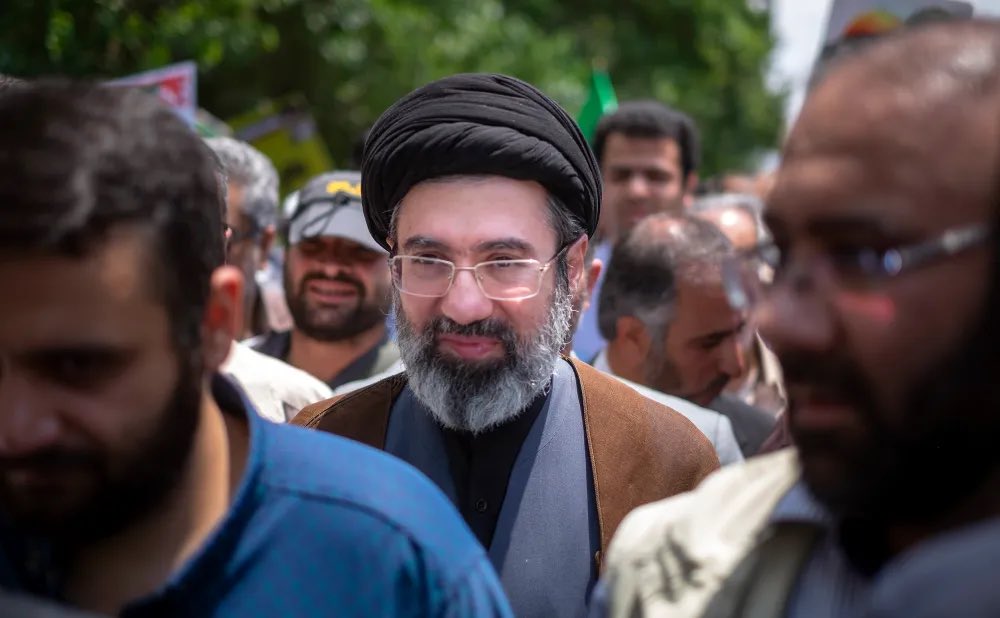
 Mojtaba Khamenei has been appointed as the new Supreme Leader of Iran, succeeding his father Ali Khamenei and marking a major shift in the leadership of the Islamic Republic at a time of heightened regional tensions.
The 56-year-old cleric was selected by the Assembly of Experts, the powerful clerical body responsible for appointing and overseeing the country’s highest authority. His appointment makes him the third supreme leader since the establishment of the Islamic Republic following the Iranian Revolution of 1979.
Born in 1969 in Mashhad, Mojtaba Khamenei grew up in one of Iran’s most influential political and religious families as his father rose to become the country’s supreme leader in 1989. He later pursued religious studies in the seminaries of Qom, where many of Iran’s senior clerics are trained.
Although he has rarely appeared in public or held elected office, Mojtaba Khamenei has long been regarded as a powerful figure behind the scenes in Iran’s political system. Analysts say he developed strong influence within the office of the supreme leader and cultivated close ties with the powerful Islamic Revolutionary Guard Corps, a key military and political institution in the country.
His name first drew international attention during the unrest that followed Iran’s disputed 2009 presidential election, which saw mass protests across the country after the re-election of former president Mahmoud Ahmadinejad. Critics and opposition groups accused him of supporting the government’s response to the demonstrations, though he has remained largely silent in public on the issue.
Mojtaba Khamenei’s rise to the country’s highest authority has generated debate among observers, with some critics arguing that the transition resembles hereditary succession in a system founded on opposition to monarchy. Supporters within conservative circles, however, say his deep connections within Iran’s clerical and security institutions could help maintain stability during a period of geopolitical tension.
As supreme leader, Mojtaba Khamenei becomes the most powerful figure in Iran’s political structure, holding ultimate authority over the armed forces, judiciary and key state institutions. His leadership is expected to play a decisive role in shaping Iran’s domestic politics, regional strategy and relations with Western powers in the years ahead.
Flood Death Toll In Kenya Rises to 42 After Heavy Rains
Fifteen Soldiers Killed In Jihadist Attack On Benin Republic Army Base
US Senate Vote Fails To Limit Trump’s War Powers On Iran
UK Bans Education Visas for Nationals Of Four Countries Over Asylum Claims