
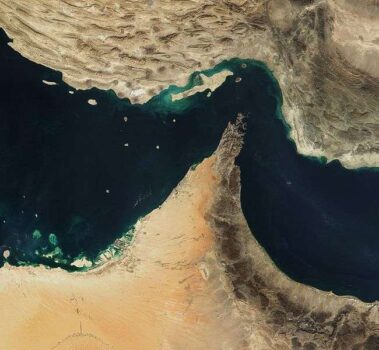
 Global oil prices have continued to rise as United States President Donald Trump pushes for an international coalition to reopen the strategic Strait of Hormuz amid escalating tensions in the Middle East.
The strait, located between Iran and Oman, is one of the world’s most critical shipping lanes for crude oil, carrying roughly a fifth of global oil supplies. Disruptions to tanker movements in the waterway have heightened fears of a major supply shock in the global energy market.
The rising tensions are linked to the ongoing conflict involving Iran, the United States and Israel, which has significantly affected maritime security in the Persian Gulf region.
In response, President Trump has called on allied countries to join a coalition aimed at securing the waterway and escorting commercial vessels through the strait to restore safe passage for global energy shipments.
The developments have triggered volatility in the oil market, with benchmark crude prices climbing sharply as traders react to concerns that prolonged disruption could tighten global supply.
Energy analysts warn that if the shipping route remains restricted, the impact could ripple across global economies, pushing fuel prices higher and increasing pressure on already fragile supply chains.
Governments and energy agencies are closely monitoring the situation, with some countries considering emergency measures to stabilise oil markets if the crisis persists.
One Battle After Another’ Dominates 2026 Oscars, Wins Top Awards
US KC-135 Aircraft Crashes In Western Iraq Amid Ongoing Iran War
Iran War Intensifies As Strikes And Retaliation Spread Across Middle East
Ayatollah Mojtaba Khamenei Becomes Iran’s New Supreme Leader