
 Nigeria’s headline inflation rate rose to 27.33% in October 2023, up from 26.72% in September. This 0.61% monthly increase reflects a 6.24% rise compared to October 2022’s rate of 21.09%. The year-on-year surge indicates accelerating inflationary pressures.
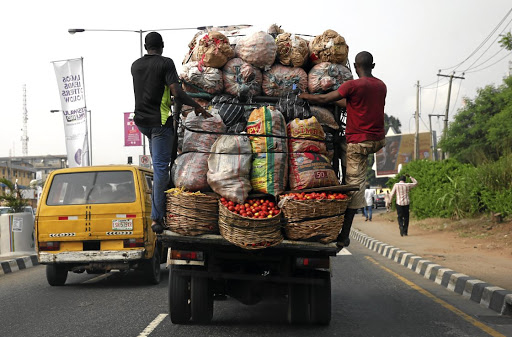
On a monthly basis, inflation slowed slightly, dropping 0.37% from September’s 2.10% to 1.73% in October. However, food remains the primary inflation driver, jumping 1.52% year-over-year. This 7.80% spike from October 2022’s 23.72% food inflation stems from rising bread, cereal, produce, and protein prices.
State data shows food inflation is highest in Kogi at 41.74% and lowest in Borno at 24.41%. Core inflation, excluding food and energy, also climbed 5.12% year-over-year to 22.58% in October. Key contributors include transportation, medical services, and housing.
Urban inflation is up 7.66% annually to 29.29%, while rural inflation rose 5.01% to 25.58%. On a monthly basis, both urban and rural inflation fell slightly by 0.43% and 0.29% respectively.
Oyedele: Nigeria On Course For $1tn Economy By 2030
Presidency Faults Atiku Over Promise To “Open” Nigeria’s Borders
Atiku Vows To Review NELFUND, Forgive Qualifying Student Debts
Tinubu Celebrates Shettima At 60, Hails His Loyalty And Service To Nigeria