
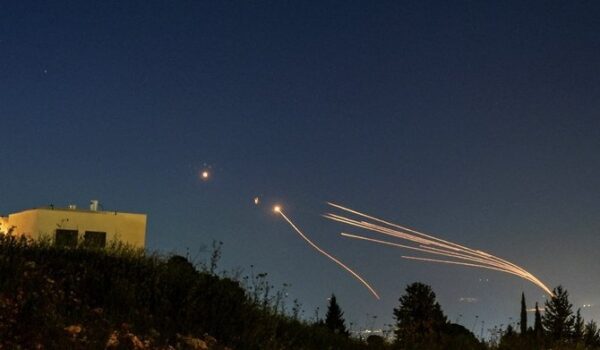
 Israel and Lebanon have agreed to extend their fragile ceasefire by three weeks, amid stalled negotiations between the United States and Iran that continue to cast uncertainty over regional stability.
The truce, initially introduced as a short-term pause in hostilities, was extended following diplomatic efforts aimed at creating space for broader peace negotiations.
Despite the extension, tensions remain high, with reports of sporadic clashes underscoring the fragile nature of the ceasefire between Israeli forces and Hezbollah fighters.
The development comes as talks between the United States and Iran have failed to make progress, with both sides maintaining firm positions on key issues. The deadlock has complicated wider diplomatic efforts, given Iran’s influence in the region.
Analysts say the lack of movement in US–Iran negotiations could undermine attempts to secure a lasting peace, as the ceasefire between Israel and Lebanon remains closely tied to broader geopolitical dynamics.
While diplomatic efforts are ongoing, observers warn that without a breakthrough in negotiations, the truce may remain temporary and vulnerable to renewed conflict.
US TV networks Halt White House Coverage Over Media Access Dispute
OpenAI Reveals Six Concerning AI Behaviour Incidents
Trump Threatens European Union With Tariffs Over Canada Partnership
US Imposes Visa Restrictions On South Africans Over Afrikaner Claims