
 The United States and Iran have agreed to a framework extending their ceasefire for 60 days, marking a major diplomatic breakthrough after more than three months of conflict and paving the way for renewed negotiations over Tehran’s nuclear programme.
The agreement, expected to be formally signed on Friday in Switzerland, was brokered with the support of Pakistan and Qatar. It includes plans to restore shipping through the Strait of Hormuz, a critical global energy route that handles a significant share of the world’s oil and liquefied natural gas exports.
Under the framework, both countries will engage in negotiations over Iran’s uranium enrichment activities, the disposal of its highly enriched uranium stockpile, sanctions relief and the release of frozen Iranian assets.
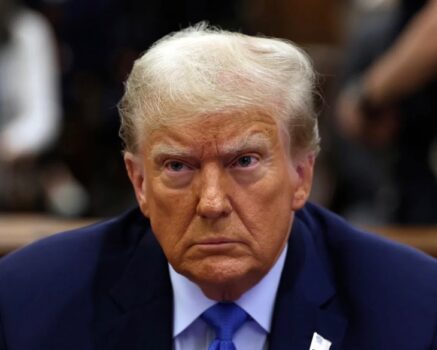
Pakistan’s Prime Minister, Shehbaz Sharif, announced the breakthrough, describing it as a major step toward ending hostilities and restoring stability in the region. U.S. President Donald Trump also welcomed the development, indicating that the United States would lift its naval blockade while Iran would move to reopen the Strait of Hormuz once the agreement is signed.
Iran’s Supreme National Security Council said military operations on all fronts, including the conflict involving Hezbollah in Lebanon, would cease under the agreement, while stressing that further negotiations would depend on both sides fulfilling their commitments.
The deal follows weeks of intensive diplomatic efforts aimed at preventing further escalation after renewed clashes involving Israel, Iran and Hezbollah threatened to derail peace talks.
If successfully implemented, the agreement is expected to ease tensions in the Middle East, reduce pressure on global energy markets and create an opportunity for a broader settlement of longstanding disputes surrounding Iran’s nuclear programme.
US TV networks Halt White House Coverage Over Media Access Dispute
OpenAI Reveals Six Concerning AI Behaviour Incidents
Trump Threatens European Union With Tariffs Over Canada Partnership
US Imposes Visa Restrictions On South Africans Over Afrikaner Claims