
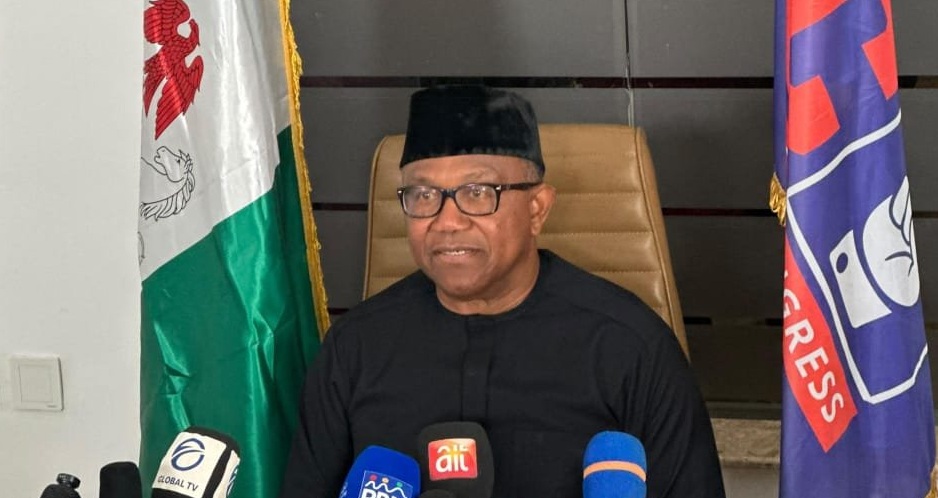
 As Nigeria marks its 66th Independence Anniversary, former Anambra State Governor and presidential candidate Peter Obi has urged the nation to move beyond celebration and engage in sober national reflection.
In a statement released on the occasion, Obi described the day as one for thanksgiving for Nigeria’s diversity, human and natural resources, and relative freedom from major natural disasters. He paid tribute to the founding fathers and successive leaders who laboured for the country’s survival and growth.
However, he stressed that independence anniversaries must not be reduced to mere festivity. “They are moments for honest national reflection,” Obi said, calling on citizens to examine whether the country is moving in the direction envisioned by its founders.
Obi highlighted a series of pressing challenges. He noted that more than 140 million Nigerians live in poverty and severe hardship, while over 18 million children remain out of school. Insecurity, terrorism, banditry and kidnapping continue to claim lives, with recent attacks killing 37 young people. Hunger affects millions, with projections indicating that over 40 million Nigerians could face extreme hunger by the end of 2026. Other concerns he listed include high infant and maternal mortality rates, youth unemployment exceeding 35 million, rising drug abuse among young people (14% compared to the global average of 6%), and a life expectancy of 54 years against a global average of 74.
He attributed these problems not to a lack of resources but to the failure to convert Nigeria’s vast endowments into human development, security and shared prosperity.
Obi recounted a recent two-day visit to Sokoto State with Senator Rabiu Kwankwaso, during which they consulted citizens on insecurity, education, poverty and drug abuse. Their visit to the Ramin Kura Internally Displaced Persons camp revealed thousands of women and children living in deplorable conditions, many without access to education or basic healthcare. He described the situation as a reflection of wider national suffering.
While acknowledging past imperfections, Obi criticised the current administration for what he described as a disconnect from the daily realities of ordinary Nigerians. He insisted that political leaders and citizens alike have failed the country’s children and that this must change.
Looking ahead, Obi expressed confidence that a new Nigeria is possible. He pledged that, if elected president, he would prioritise measurable and accountable governance focused on security, a productive economy, education, healthcare and job creation. He promised to confront insecurity so that displaced persons can return home with dignity, shift the economy from consumption to production, and lead by personal example—spending holidays within Nigeria rather than abroad.
“On this sixty-sixth Independence Anniversary, let us look back with gratitude, look around us with honesty, and look forward with courage,” Obi said. He concluded that the Nigeria Nigerians desire will be built not by prayers or promises alone, but by responsible leadership and citizens who refuse to accept failure as destiny.
Atiku Abubakar Vows To Make Life Affordable Again For Nigerians
Atiku Appoints El-Rufai Deputy Campaign Council Chairman
NDC Presidential Candidate Peter Obi Challenges Public To Release His Records
Federal High Court Orders INEC To Adopt NDC’s Modified Logo